Loading...
Selecting the Right Paperless Conference System Software
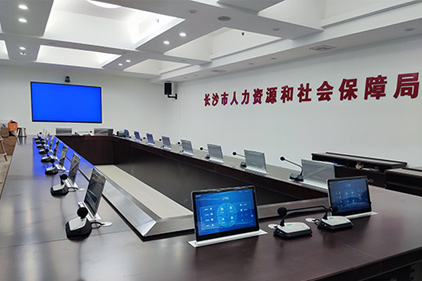
Choosing the appropriate paperless conference system software is the first crucial step for a successful transition. The market offers a variety of paperless conference systems, each with its unique features and advantages. It is essential to evaluate the software's user interface, data security, compatibility, and support services. Opt for a system that is user-friendly with an intuitive interface, which will facilitate a smoother adoption process. Additionally, the software should support real-time document updates and distribution, multi-device access, and robust data encryption to ensure secure and convenient access to meeting materials.
Training Employees and Board Members
The key to successfully implementing a paperless conference system lies in thorough training for employees and board members. While the software can significantly improve efficiency, it requires all users to be proficient in its operation. Comprehensive training programs should cover basic software operation, document management, use of real-time collaboration tools, and data security protocols. Regular training and ongoing support ensure that all participants can fully leverage the system's capabilities, thereby enhancing overall meeting efficiency.
Gradual Transition to the Paperless Conference System
Transitioning to a paperless conference system should be a phased process rather than an abrupt overhaul. Start with simple tasks, such as distributing electronic documents and creating online agendas. As users gradually become familiar with the new system, the reliance on paper can be steadily reduced until full paperless operation is achieved. This gradual approach minimizes resistance and ensures a smooth and successful implementation.

Driven by Technological Innovation
With continuous technological advancements, the paperless conference system will become smarter and more efficient. In the future, artificial intelligence and machine learning are expected to further optimize meeting management and document processing. For example, intelligent assistants may automatically generate meeting minutes, analyze participant feedback, and offer personalized meeting recommendations.
Growing Adoption Trend
The adoption of paperless conference system is expected to accelerate globally, especially among enterprises and organizations. With increasing environmental awareness and sustainability goals, more companies will opt for paperless solutions. Moreover, the rise of remote work and virtual meetings will further drive the demand for paperless conference system. These systems not only enhance meeting efficiency but also significantly reduce environmental impact, aligning with modern enterprises' sustainability strategies.

Profound Impact on Enterprise Management
Implementing a paperless conference system will have a profound effect on enterprise management. First, it can substantially improve meeting transparency and efficiency, leading to faster and more accurate decision-making. Second, by reducing paper usage, enterprises can lower operational costs and enhance resource utilization. Furthermore, the system strengthens data security, ensuring effective protection of sensitive information.
In summary, the paperless conference system is not only a critical step in a company's digital transformation but also a key measure to elevate management quality and competitive advantage.