Loading...
An effective Paperless Conference System is more than a simple presentation tool. It is a comprehensive software ecosystem designed to manage the entire lifecycle of a clinical meeting—from preparation and presentation to documentation and follow-up. For hospitals aiming to elevate their multidisciplinary collaboration, understanding the core modules that constitute an advanced platform is crucial. This guide breaks down the essential functionalities you should expect from a top-tier solution like the one offered by DSPPACS, exploring how each component contributes to a seamless, intelligent workflow.
At the heart of any medical Digital Conference System lies its ability to handle medical imaging data natively and efficiently. This foundation consists of two interconnected modules:
Diagnostic-Grade DICOM Viewer: This is the non-negotiable core. It must provide lossless display of images with all standard tools radiologists rely on: windowing/leveling, zoom/pan, rotation, multiplanar reconstruction (MPR) for CT/MR, and advanced rendering. It must support synchronized viewing across all participants' screens during a live session.
Smart Case Management Console: This module allows the meeting chair or coordinator to prepare agendas effortlessly. It should enable drag-and-drop creation of case lists by querying and pulling studies directly from the PACS using patient ID, modality, or study date. It organizes not just images, but also relevant PDF reports, lab data, and pathology slides in a single, pre-loaded dashboard for each patient.
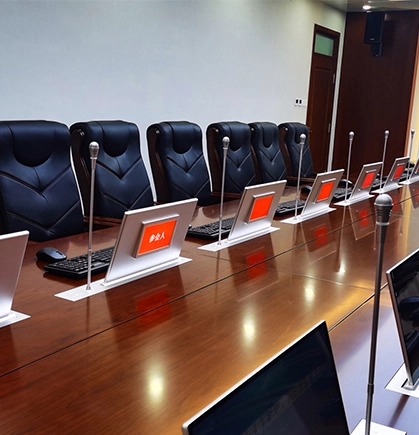
The true value of a paperless conference system Solution is realized in its interactive capabilities during the live conference. This "collaboration engine" transforms a monologue presentation into a dynamic dialogue.
Live Annotation & Telepointer: Specialists can highlight areas of interest, annotate directly on images, and use a shared telepointer to guide discussion, ensuring all attendees are literally on the same page.
Decision Tracking & Voting: For tumor boards or complex case reviews, structured decision-trees or voting polls can be embedded. Options like "Diagnosis Confirmed," "Need Additional Imaging," or recommended treatment pathways can be voted on, with results instantly tallied and recorded.
Integrated Communication: Built-in audio/video for remote participants, text chat for side discussions, and hand-raising functionalities ensure inclusive and orderly communication.
The work of a conference isn't over when the meeting ends. The post-session modules ensure decisions lead to action and that the entire process is secure and compliant.
| Module | Core Function | Key Benefit |
|---|---|---|
| Structured Reporting | Provides customizable templates to document final diagnosis, consensus, and treatment plans directly within the system. Can auto-populate with case data and voter results. | Creates accurate, timely, and standardized minutes. Eliminates separate transcription. |
| Workflow Integration | Connects with hospital EHR, RIS, and scheduling systems to send finalized reports and assigned tasks directly into the patient’s record and to responsible clinicians. | Closes the loop, ensuring decisions are executed and reducing follow-up delays. |
| Enterprise Security | Implements role-based access controls, encryption for data-in-transit and at-rest, and detailed audit trails of all user activity (who viewed what, when, and what decisions were made). | Ensures HIPAA/GDPR compliance, protects patient privacy, and provides legal defensibility for decisions made. |
A one-size-fits-all approach fails in healthcare. The robust conference room systems must be scalable and adaptable.
Scalability: It should support intimate departmental meetings (e.g., radiology peer review) and large, hospital-wide tumor boards with dozens of participants, both on-site and remote, without performance degradation.
Customization: The ability to create custom workflow templates for different types of conferences (M&M, Cardiology Cath Lab review, etc.), with specialty-specific fields and decision pathways, is essential. The user interface should be configurable to match the hospital's clinical protocols.
Many systems offer basic presentation features, but lack the clinical depth required for meaningful adoption. DSPPACS builds every module with clinical input, ensuring our Paperless Conference System integrates not just with your IT infrastructure, but with your clinical thought processes. From the diagnostic-quality viewer to the intelligent workflow engine, our platform is designed to support, not disrupt, the vital work of your medical teams.
Ready to explore a feature-rich platform designed for clinical collaboration? See how our modules work together to streamline your most important meetings.