Loading...
In today’s fast-paced corporate world, the quality of audio in meeting environments can make or break the success of your communication. Whether it’s a boardroom presentation, virtual conference call, government assembly, or educational seminar, the key to seamless speech clarity lies in selecting the right conference microphone and peripherals. At DSPPA, we understand this critical need — and our range of high-performance conference microphones delivers professional-grade sound solutions tailored for every type of meeting environment.
This comprehensive guide will help you understand the importance of a premium conference microphone, how to choose the right type for your space, and how to integrate it with peripheral devices to enhance communication effectiveness, productivity, and engagement.

Before diving into types, features, and configurations, let’s first clarify why investing in a quality conference microphone is essential:
Clear Communication: Poor audio leads to misunderstandings, reduced engagement, and wasted time — especially in hybrid or online meetings.
Professional Image: Crisp, clean audio reflects professionalism and enhances audience trust.
Accessibility: Participants with hearing challenges benefit greatly from amplified and clear speech capture.
Efficiency: With the right microphone setup, meetings flow smoothly, reducing the need for repetition.
Integration: Modern conference microphones can connect seamlessly with AV systems, conferencing software, and digital platforms.
Not all microphones are created equal. When choosing a conference microphone, prioritize the following features:
| Feature | Why It Matters |
|---|---|
| Directional Pickup | Focuses on the speaker’s voice, minimizes ambient noise |
| High S/N Ratio | Ensures sound clarity with minimal hiss or interference |
| Plug-and-Play Setup | Reduces setup time and technical barriers |
| Wireless Connectivity | Offers freedom of movement for presenters |
| Compatibility with Conferencing Systems | Works seamlessly with Zoom, Teams, WebEx, etc. |
| Durability & Build Quality | Long-term reliability for high-use spaces |
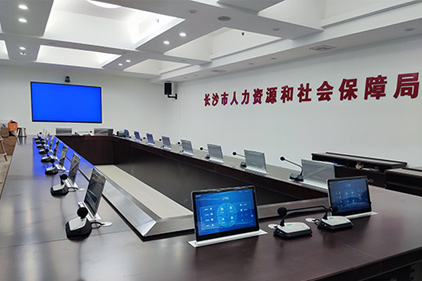
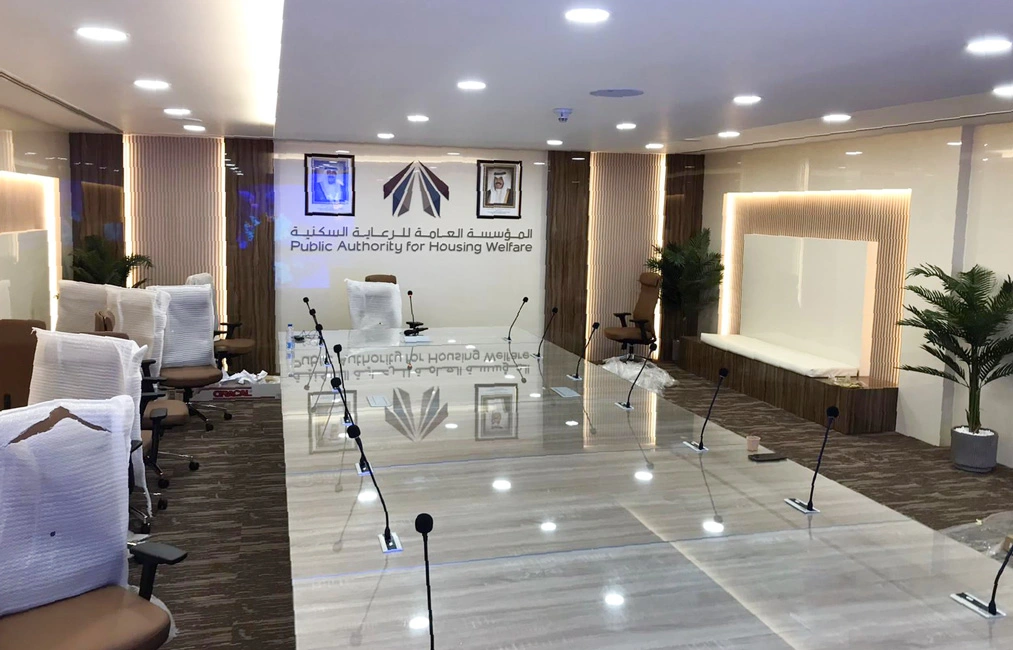
Ideal for boardrooms, council chambers, and large meeting tables, boundary and gooseneck conference microphones offer directional sound capture that focuses on seated speakers. They are often placed at the table center or individual positions to provide excellent voice pickup without intrusive hardware.
Best for: Large rooms, fixed seating arrangements, formal meetings.
Wireless technology provides flexibility — perfect for dynamic environments where mobility matters. Wireless conference microphones free presenters from cables and adapt easily to different room configurations.
Best for: Training rooms, open spaces, presentations requiring speaker movement.
These are widely used for hybrid meetings and video conferences. USB conference microphones offer simple connectivity with computers and conferencing platforms without complex installation.
Best for: Small meeting rooms, remote conferencing setups, huddle spaces.
A conference microphone alone can elevate your audio, but when paired with the right peripherals, the results are transformational. Consider incorporating the following:
Clear audio capture needs to be matched with powerful delivery. High-quality speakers and amplifiers ensure that every participant hears the message loud and clear.
Mixers allow multiple conference microphone inputs to be balanced, filtered, and tuned for consistent performance.
For wireless systems, using robust transceivers enhances stability and reduces audio dropouts — especially in RF-crowded environments.
Ensure your hardware is compatible with popular meeting platforms like Zoom, Microsoft Teams, Google Meet, and Cisco Webex for a seamless user experience.
Here’s an example configuration for a mid-sized corporate meeting room:
| Component | Recommendation |
|---|---|
| Primary Conference Microphone | Boundary / Gooseneck mic |
| Secondary Mic | Wireless hand-held for Q&A |
| Mixer | 8-channel audio mixer |
| Speakers | Ceiling / Wall mounted speakers |
| Transmission | UHF wireless audio system |
| Integration | PC + conferencing software |
This setup provides a balance between clarity, flexibility, and professional performance — all anchored by the right conference microphone choice.
At DSPPA, our portfolio of conference microphones and conference audio system is designed with real users in mind. Here’s why customers trust our solutions:
Superior Sound Fidelity
Our conference microphones deliver high S/N ratios and frequency responses optimized for speech clarity — reducing noise and echo for natural sound.
Flexible Deployment
Whether you need wireless freedom, table-mounted precision, or plug-and-play USB simplicity, we have products that fit every space.
Seamless Compatibility
DSPPA microphones integrate with popular conferencing platforms and AV equipment without the need for complex configuration.
Durability & Reliability
Constructed using industrial-grade components, our systems withstand the rigors of daily meetings and long-term installations.
Custom Configurations
We work with architects, AV integrators, and IT professionals to design tailored solutions that meet the unique needs of your space.
Test Your Setup in Advance
Before high-stakes meetings, run a quick audio check to fine-tune mic placement and gain levels.
Use Multiple Mics for Large Groups
Distributed conference microphones reduce the need for participants to lean in or raise their voice.
Control Room Acoustics
Soft furnishings, carpets, and acoustic panels help prevent echo and improve microphone performance.
Train Users
Provide guidelines on speaking distance, positioning, and mic etiquette to maximize audio clarity.
A professional-grade conference microphone is more than a piece of hardware — it’s an investment in communication quality, audience engagement, and meeting productivity. From corporate boardrooms to educational institutions, the right microphone setup transforms how ideas are shared, discussions are heard, and decisions are made.
Explore the full range of DSPPA conference microphones and peripherals on this page to find the perfect audio solution for your environment. Exceptional sound quality starts with the right tools — and it starts here.