Loading...
In the modern corporate landscape, audio clarity is the foundation of productive communication. As meeting rooms grow in size and architectural complexity—often featuring glass partitions, hard flooring, and high ceilings—achieving consistent sound coverage becomes a significant engineering challenge. For AV integrators and facility managers, the digitally steerable line array has emerged as the definitive solution to these acoustic hurdles.
By utilizing advanced DSP (Digital Signal Processing) to control the vertical dispersion of sound, these systems ensure that audio is directed exactly where it is needed, avoiding reflective surfaces that cause echo and distortion. Transitioning to a steerable array speaker system is more than just an equipment update—it is an investment in professional efficiency and speaker intelligibility.
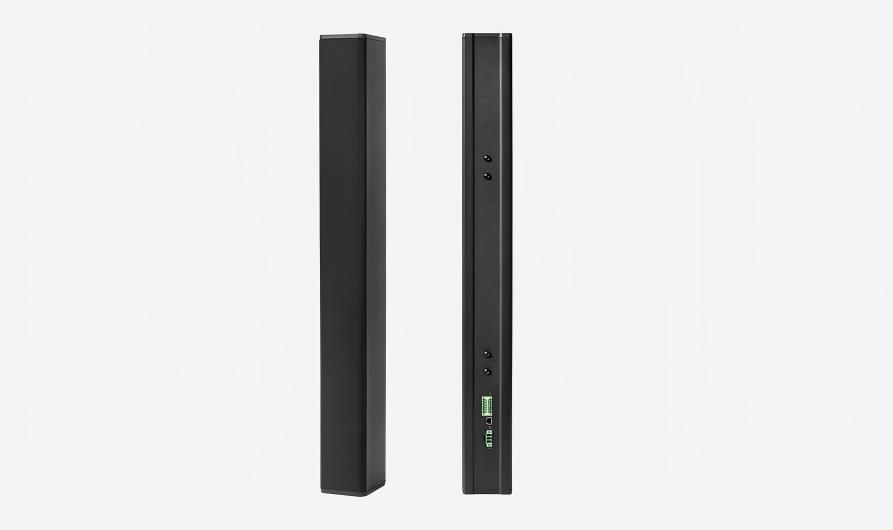
Large conference rooms are notorious for their "live" acoustic environments. When sound waves bounce off hard surfaces, they create reverberation, which severely degrades speech intelligibility. A digitally steerable line array solves this by physically shaping the sound beam. Instead of spraying audio across the entire room, the system narrows the vertical beam, focusing energy on the audience and minimizing reflections from ceilings and floors.
For decision-makers looking for a comprehensive pro sound system, implementing this technology means that every attendee—whether sitting in the front row or at the back of a deep hall—receives a clear, crisp signal without the need for multiple, cluttered secondary speakers.
One of the most significant technical advantages of a steerable array speaker is its ability to adjust the sound beam digitally without moving the hardware. In a traditional setup, if you change the room layout, you might need to manually tilt or reposition your speakers.
With modern intelligent audio solutions, integrators can use software to adjust the vertical beam angle and coverage width. This flexibility is vital for multi-functional spaces that change from theater-style seating to boardroom configurations. By leveraging a high-performance Pro Sound System, you gain the agility to adapt your audio infrastructure to any meeting scenario with simple digital adjustments.
Modern architectural design often prioritizes clean, minimalist lines. Traditional horn-loaded or bulky speaker cabinets can be visual eyesores that detract from the professional appearance of a premium boardroom.
A digitally steerable line array is typically slim, low-profile, and wall-mountable. Because these units provide powerful output and wide horizontal coverage from a single, slender column, they blend seamlessly into the room's design. This "invisible" approach to high-performance audio allows the equipment to disappear while the sound quality remains the star of the show.
Feedback is the enemy of any teleconferencing system. In large rooms, when microphones are placed near speakers, the risk of screeching feedback increases. Steerable array speakers significantly improve gain-before-feedback because they keep the sound energy away from microphone pickup zones.
By focusing the sound beam strictly on the audience areas, the energy directed back toward the conference table is reduced. This allows for higher system volume, ensuring that remote participants on a video call hear local presenters clearly, while local participants enjoy a natural, feedback-free experience.
The rise of hybrid work has made the quality of conference audio a business-critical requirement. A digitally steerable line array works in harmony with advanced AI-driven audio processing to ensure that every word is captured and transmitted with professional fidelity. Whether you are hosting a small project meeting or a large executive summit, these steerable solutions provide the consistency required for high-stakes professional exchanges.
Founded in 1988, DSPPA is a large-scale national high-tech enterprise and the chief editor of the Technical Standard for Public Address System Engineering of China. With over 30 years of deep engagement in audio and video technology, DSPPA has established a high-tech R&D base, secured hundreds of national patents, and operates a garden-style production center.
By placing AI technology at the core of our development, we have strategically upgraded our portfolio. Today, our self-developed systems—including public address, conference sound systems, and recording/broadcast solutions—are fully integrated into the AI era, providing tailored acoustic solutions for complex environments. If you are ready to modernize your audio environment, contact our team today for expert consultation.
| Feature | Traditional Loudspeakers | Digitally Steerable Line Arrays |
|---|---|---|
| Directivity Control | Fixed / Passive | Highly Precise (Digital) |
| Acoustic Flexibility | Low (Manual Adjustment) | High (Software Control) |
| Visual Footprint | Large / Bulky | Slim / Aesthetic |
| Feedback Potential | Higher | Significantly Reduced |
| Speech Clarity | Variable | Excellent in Reflective Spaces |
Upgrading to a digitally steerable line array is the most effective way to address the complexities of modern conference room acoustics. By providing superior clarity, flexible installation, and a clean aesthetic, these systems represent the peak of current audio engineering. Choosing the right technology ensures that communication remains seamless, efficient, and impactful.
1. What is the primary difference between a standard column speaker and a digitally steerable line array?
2. Is a steerable array speaker suitable for small meeting rooms?
While most common in large halls, these speakers are beneficial in small rooms with glass walls or high ceilings where echoes are prevalent. They prevent sound from hitting reflective surfaces, keeping the audio contained to the listeners.
3. Does DSPPA offer support for integrating these systems into existing AV setups?
Yes. With over 30 years of experience, DSPPA provides end-to-end technical support to ensure our systems integrate perfectly with existing video conferencing and public address infrastructure.
4. How does the "steering" process work technically?
The system uses multiple internal drivers, each with its own amplifier and DSP channel. By applying specific time delays and phase shifts to each driver, the system creates constructive interference to direct sound and destructive interference to cancel sound in unwanted areas.