Loading...
In the rapidly evolving landscape of corporate communication, the tools we use to facilitate meetings speak volumes about an organization's efficiency. While traditional printed nameplates have served as the standard for decades, they are increasingly becoming a bottleneck in fast-paced, high-tech work environments. Today, the e-ink nameplate is emerging as a critical component of the modern boardroom, offering a seamless, sustainable, and professional alternative to static paper displays.
As organizations strive to improve their image and streamline operations, transitioning from disposable stationery to intelligent digital signage is no longer just a trend—it is a strategic upgrade.
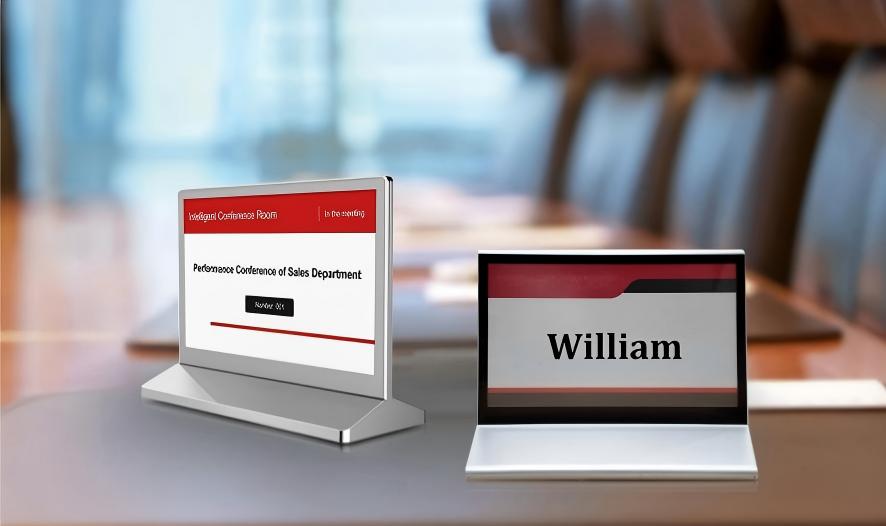
For years, the standard for professional meetings involved printing individual names, logos, or agendas on cardstock and placing them in acrylic holders. While simple, this method is fundamentally static. Information is difficult to update in real-time, and the process is inherently labor-intensive, requiring staff to organize, print, and distribute materials before every single meeting session.
The rise of the e-ink nameplate marks a pivotal shift in this domain. By leveraging the same technology found in high-end e-readers, these devices provide a crisp, glare-free display that mimics the appearance of paper while remaining entirely digital. This technology allows for instant content updates—names, titles, and agendas can be changed remotely through a paperless conference system, eliminating the logistical overhead that has plagued administrative teams for generations.
The limitations of traditional signage go beyond mere aesthetics. In a modern conference environment, time is the most valuable resource. When a meeting agenda changes, or if an attendee is suddenly replaced by a substitute, traditional paper-based signage creates friction. Someone must rush to re-print, re-cut, and manually replace the nameplate, often while guests are already waiting.
Furthermore, traditional systems lack interactivity. An e-ink nameplate is not merely a label; it is a communication interface. It can display real-time meeting data, such as countdown timers, voting results, or specific breakout room instructions. By integrating these devices into a broader administrative ecosystem, facility managers can ensure that every room is ready in seconds, rather than hours. This level of flexibility is essential for businesses that operate with agility, ensuring that the physical environment always matches the digital strategy.
A common concern when adopting new hardware is how well it will withstand the daily rigors of a busy office. High-traffic meeting rooms are prone to accidental spills, physical impacts, and constant handling. This is where advanced manufacturing techniques distinguish high-quality devices from generic consumer-grade electronics.
Our e-ink nameplate utilizes IML (In-Mould Labelling) technology, a sophisticated process that bonds the graphics and protective layers directly into the casing during the molding phase. This creates a surface that is highly resistant to oil, scratches, and daily grime. Unlike traditional acrylic holders which easily accumulate scuffs and cloud over time, an IML-processed e-ink nameplate maintains its professional appearance for years. This robust construction ensures that your investment not only looks better on day one but continues to project a premium, clean aesthetic long after it has been deployed.
When considering digital signage, the hardware's physical footprint is as important as its screen technology. A key differentiator in our design is the "Ultra-Big Base." By integrating the main board and the battery compartment into a larger, weighted base, we solve two critical problems that plague typical electronic displays: balance and power longevity.
Stability: The low center of gravity provided by the wide, weighted base makes the device exceptionally anti-fall and stable, protecting the delicate internal components from accidental knocks on the conference table.
Battery Longevity: A larger base allows for a significantly higher-capacity battery. In a paperless boardroom, the last thing you want is for a nameplate to go dark during a high-stakes presentation. Our design prioritizes long-lasting, reliable operation, ensuring that your e-ink nameplate stays functional throughout back-to-back meeting days.
The fuselage and the cover are integrally formed, creating a seamless, sleek profile that leads the industry in both design language and structural integrity.
Beyond the immediate benefits of convenience and durability, the move toward an e-ink nameplate is a significant win for corporate sustainability initiatives. Traditional nameplates rely on constant re-printing, leading to a massive consumption of paper and toner over a fiscal year. In a large organization holding hundreds of meetings per month, this waste is not just inefficient—it is measurable.
While the upfront acquisition of a digital system involves an initial investment, the long-term ROI is substantial. You eliminate recurring costs for stationery, reduce the man-hours spent on manual preparation, and significantly lower the carbon footprint of your administrative processes. This aligns perfectly with modern ESG (Environmental, Social, and Governance) goals, showcasing a commitment to innovation and responsible resource management.
| Feature | Traditional Printed Nameplates | DSPPA E-Ink Nameplates |
|---|---|---|
| Material | Paper & Acrylic | High-Tech E-Ink & IML Casing |
| Updates | Manual (Printing & Replacing) | Instant / Remote Digital Updates |
| Durability | Low (Scratch-prone, fragile) | High (Oil/Scratch Resistant) |
| Operational Waste | High (Paper/Toner) | Minimal (Near Zero) |
| System Integration | None | Fully Integrated with Conference Systems |
With a legacy dating back to 1988, DSPPA has established itself as a national high-tech enterprise at the forefront of audio and video engineering. As the chief editor of China's Technical Standard for Public Address System Engineering, we bring over 30 years of expertise to the table. We have successfully evolved our product lines to embrace the AI era, ensuring that our solutions—from high-fidelity sound systems to our advanced e-ink nameplate devices—work in perfect harmony.
Our commitment is to provide the infrastructure that enables efficient exchange and clear communication. By combining our robust hardware with smart software, we help organizations build modern, paperless environments that are as intelligent as they are professional. If you are looking to elevate your conference experience, our team of experts is ready to assist you. Please contact our team today to discuss your specific requirements.
The transition from traditional paper-based signage to the e-ink nameplate is a logical evolution for any organization aiming to optimize its boardroom performance. With superior durability, elegant design, and significant long-term cost advantages, these devices provide a sophisticated touch that static signage simply cannot match. By investing in intelligent, sustainable technology, you are not just upgrading your meeting equipment—you are enhancing the professional standards and operational efficiency of your entire organization.
1. How long does the battery last on an e-ink nameplate?
Thanks to the integrated Ultra-Big Base and high-capacity battery, our devices are designed for long-lasting use, minimizing the frequency of charging cycles even in high-usage meeting rooms.
2. Are e-ink nameplates difficult to install or set up?
No. These devices are designed to integrate seamlessly into a professional paperless conference system. Our team provides the necessary guidance to ensure they are networked and operational with minimal effort.
3. What makes the IML technology so effective?
IML (In-Mould Labelling) technology fuses the protective outer layer directly into the product casing during manufacturing. This creates a surface that is highly resistant to oil, scratches, and wear, ensuring a pristine look for years.
4. Can the information on the nameplate be updated remotely?
Yes. Unlike traditional cards, these digital displays allow administrators to update names, titles, and agendas instantly from a central control hub, saving significant time.
5. How does this system help with sustainability?
By moving to a digital display, your organization drastically reduces paper and toner consumption, supporting your corporate green initiatives and lowering administrative operational costs.