Loading...
With the advancement of technology and the rise of aesthetic standards, stage performances have become an indispensable part of modern life. The application of a conference room sound system in enhancing stage effects has become the very soul of these performances. This article will provide a detailed explanation of the classification of conference room sound system, the importance of stage sound, and how to utilize the conference room sound system to improve stage effects.
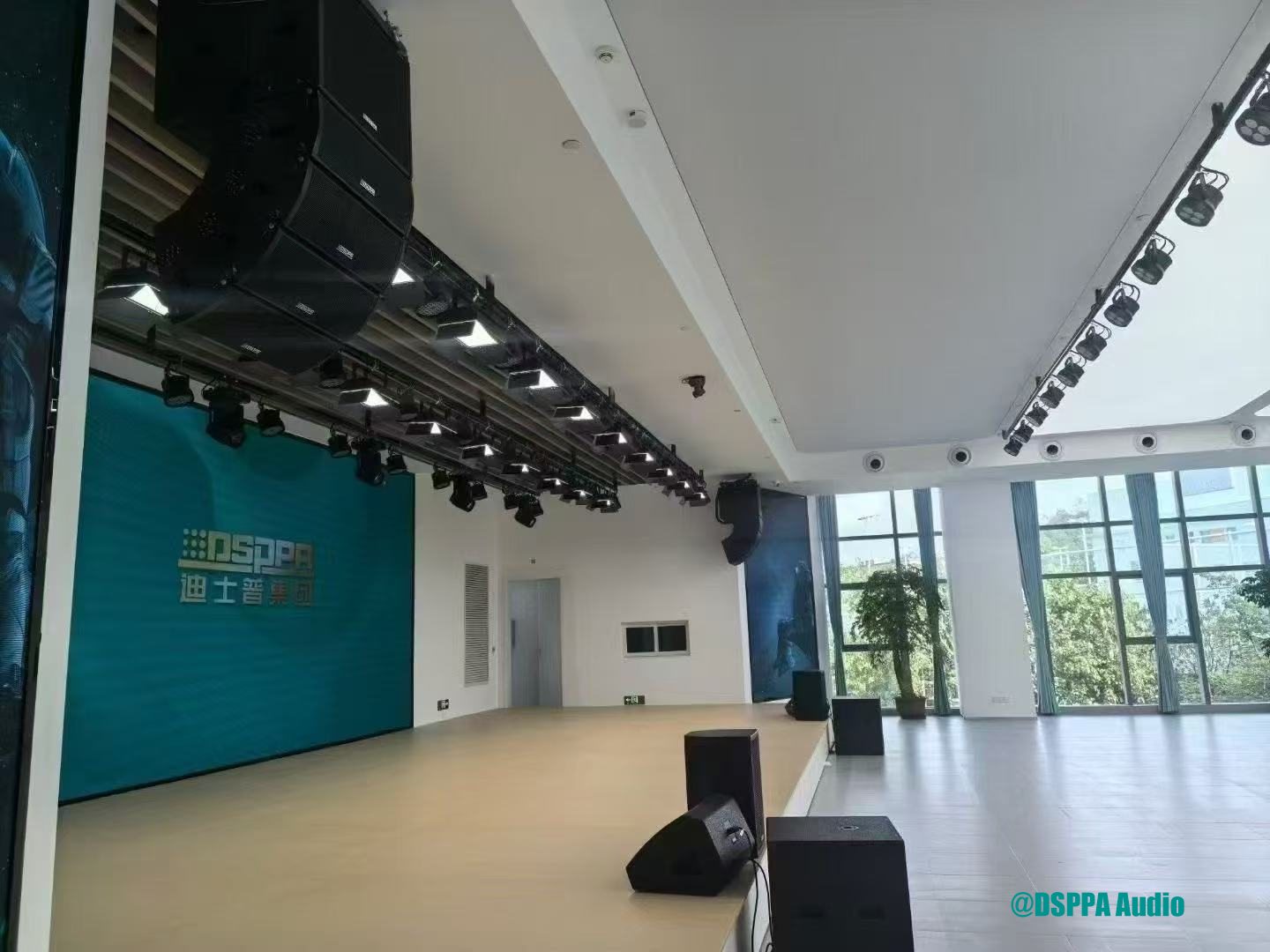
Amplification Equipment: This mainly includes speakers, amplifiers, and mixers, which serve as the main sound system on stage. The role of amplification equipment is to amplify music, singing, and other audio signals so that they can reach the audience clearly.
Recording Equipment: Comprising microphones, recorders, and audio processors, recording equipment captures live sound. Its purpose is to record the performers' voices or music for post-production or broadcasting.
Mixing Equipment: Including mixers, digital signal processors (DSP), and effects units, mixing equipment blends multiple audio sources to create various sound effects and special audio enhancements.
Lighting Equipment: Consisting of lighting fixtures, lasers, and other devices, lighting equipment provides stage illumination and color effects. It creates the appropriate visual atmosphere, helping the audience better appreciate the performance.
Auxiliary Equipment: This category covers speaker stands, cables, power supplies, and more, ensuring the stable operation of the conference room sound system and reliable signal transmission.
Enhancing Audience Immersion
A well-designed conference room sound system allows the audience to experience three-dimensional sound with spatial depth and layering, significantly increasing their immersion in the performance. When immersed, the audience is more focused and emotionally connected to the show.
Boosting Performers' Confidence
The sound system helps performers better control their volume and tone, making them more confident on stage. Moreover, real-time adjustments to the system allow performers to adapt to changing conditions and deliver a more polished performance.
Improving Overall Performance Quality
A conference room sound system by conference system manufacturer provides stable, clear signal output, ensuring smooth execution of all performance elements. Through techniques like reverberation and equalization, sound engineers can add artistic flair to the audio, raising the overall quality of the performance.
Choosing the Right Conference Room Sound System
When setting up the sound system, factors such as venue size, audience capacity, and performance type should be carefully considered. Additionally, equipment brand, performance, and cost-effectiveness must be evaluated to ensure an optimal selection.
Properly Arranging the Sound System
The system layout should follow a "front, middle, rear" principle: main speakers at the front of the stage, auxiliary speakers in the middle, and fill speakers at the rear. This setup creates a stereophonic sound field covering a wider audience area.
Fine-tuning the Sound Effects
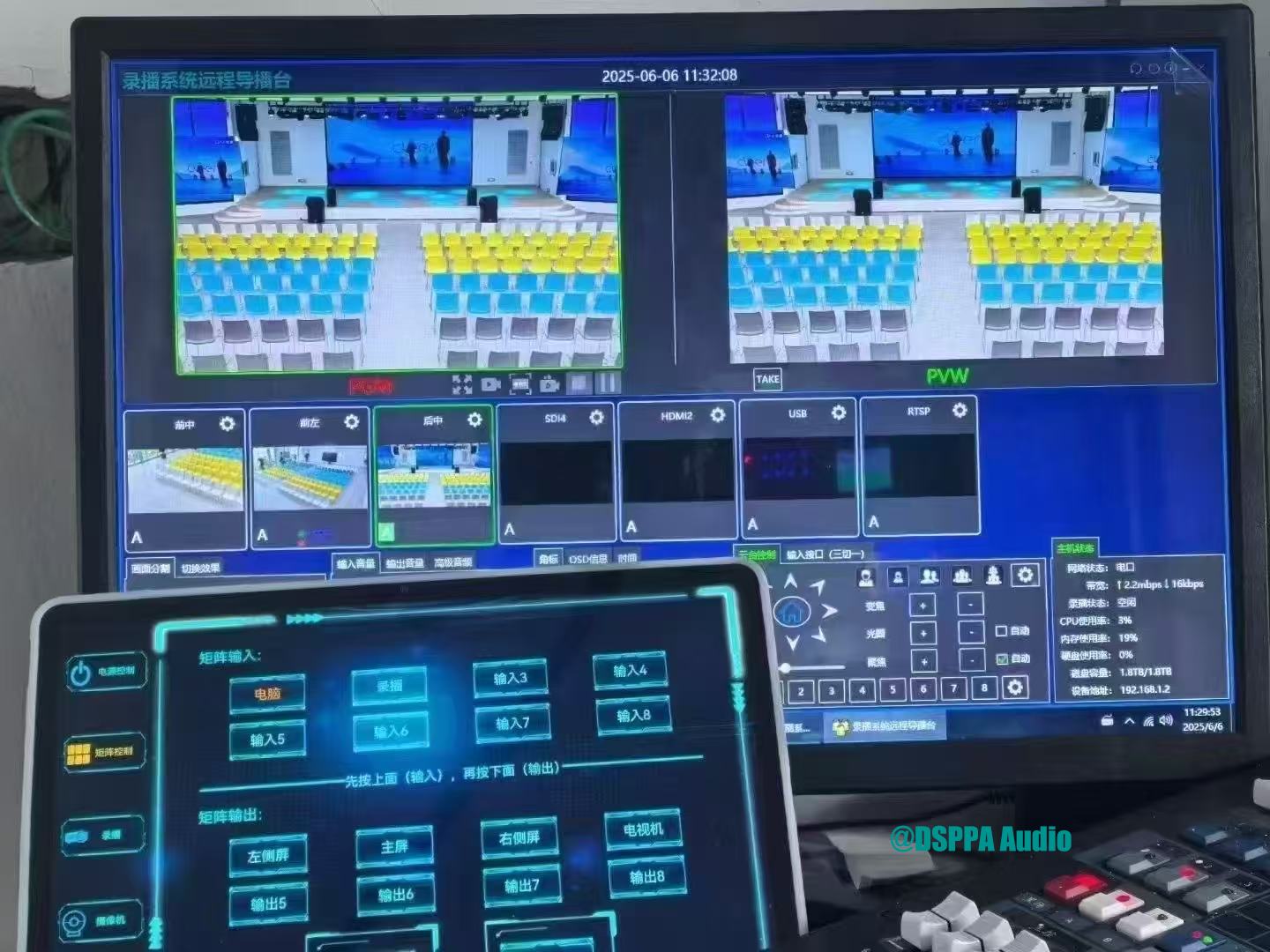
After installation, thorough tuning is essential to ensure all devices operate correctly. Adjustments to volume, tone, and reverberation should be made to achieve the best sound effects. Lighting should also be synchronized with audio to create a harmonious stage atmosphere.
Mastering Sound Operation Skills
Sound engineers need to be proficient in operating all equipment and capable of quickly handling unexpected issues during performances. Innovation is equally important, as experimenting with new sound techniques can bring fresh surprises to the audience.
In conclusion, the application of a conference room sound system is crucial to stage effects. Only by selecting and using the system correctly can its full potential be realized, delivering a truly immersive and impactful musical experience to the audience.