Loading...
Electronic name plates have emerged in recent years as intelligent office devices that display attendees' names, titles, and other information via electronic screens, replacing traditional paper name cards. These devices are not only environmentally friendly but also improve meeting efficiency and can even integrate with other smart systems. So, which industries are electronic name plates most related to?
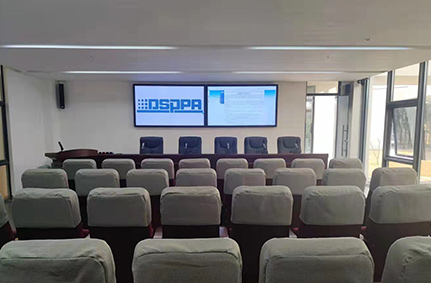
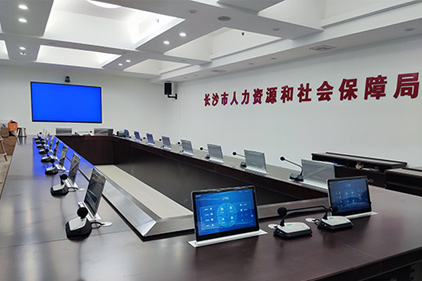
The most direct application of electronic name plates is in the office environment. Whether in corporations, government agencies, or schools, any place that holds meetings can benefit from them. Traditional paper name cards require advance printing and placement and are prone to errors or omissions. In contrast, electronic name plates can be updated instantly with a single click, saving time and effort. This flexibility is especially important for large meetings or forums with frequent attendee changes.
Moreover, digital nameplate can integrate with room booking systems, facial recognition, and other technologies to enable intelligent management. For example, after a participant checks in, the name plate automatically displays their information; when the meeting ends, the display can switch off or be repurposed. These features make office environments more efficient and modern, which is why electronic name plates are gradually becoming standard in the office sector.
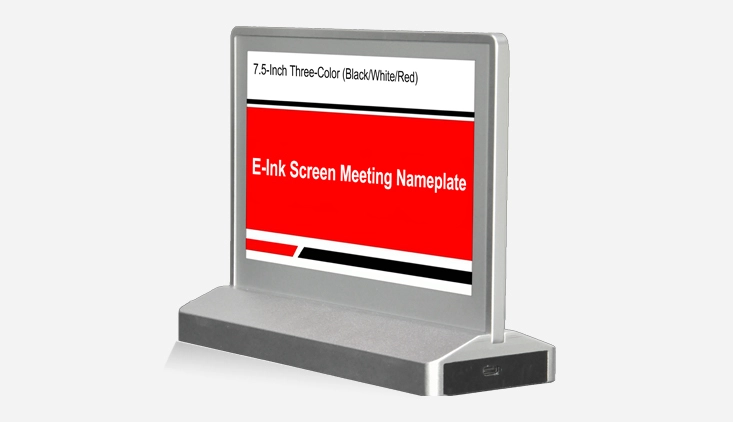
The hospitality and exhibition sectors are also key areas for electronic name plates. High-end hotels frequently host business meetings, weddings, and other events, where name plates are used extensively. Electronic name plates not only enhance the technological appeal of events but also reduce labor costs. For instance, at a wedding where guest names or table numbers need to be changed frequently, electronic name plates allow quick backend updates without reprinting—making the process faster and greener.
This is even more true for exhibitions. Large-scale expos often feature multiple sub-forums or activities with highly mobile attendees. Electronic name plates can adjust content in real time according to event schedules and even support multilingual displays to meet international needs. Additionally, they can embed QR codes or interactive features, enabling participants to access more information or engage actively, thereby enhancing the overall exhibition experience.

Although the education and healthcare industries may not rely on name plates as frequently as office or exhibition settings, electronic name plates by reliable conference system manufacturer still offer valuable convenience. In schools, they can be used during academic conferences, international exchange events, or graduation ceremonies. For example, an academic meeting with scholars from different countries can benefit from name plates that display names, titles, and affiliations in real time, even supporting automatic translation for smoother communication.
In healthcare, electronic name plates can be applied in medical conferences, training sessions, or internal hospital management. For instance, a medical forum involving complex terminology can use name plates alongside conference recording equipment to dynamically show speaker backgrounds or agenda items while ensuring accurate documentation. Within hospitals, electronic name plates can mark meeting rooms or department entrances, helping patients and visitors quickly identify locations. Though niche, these applications can significantly boost efficiency and professionalism.
Electronic name plates extend far beyond traditional office scenarios, playing unique roles across hospitality, exhibitions, education, healthcare, and more. As technology advances, their functionalities will continue to expand, potentially becoming essential tools across even more industries in the future.