Loading...
Audio Matrix Processor and audio processor each play different roles in an audio system. The main differences between them are reflected in their functions, application areas, and control methods.
Audio Matrix Processor is primarily used for routing and distributing audio signals. It can flexibly connect and switch multiple audio sources and multiple target outputs, realizing the transmission and conversion of audio signals. By adjusting the elements (gain coefficients) in the matrix, the volume and path from input to output can be controlled.
The audio processor is mainly used for processing and manipulating audio signals. Functions include equalization, reverb, compression, delay, etc., to adjust and improve the sound characteristics and effects of the audio. It can generate various audio effects, such as reverb, chorus, distortion, and dynamic effects, adding spatiality and depth to the audio.
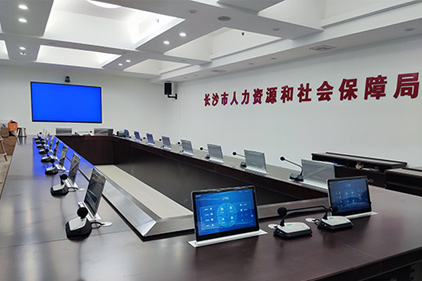
Audio matrix processor is often used in large audio systems, such as conference halls, studios, concert venues, etc. They manage and control the connection relationships between multiple audio sources and targets, achieving complex routing configurations.
Audio processors are widely used in sound systems, recording studios, concerts, and other settings. They are used for real-time or post-processing of audio signals to provide better sound quality and effects.
Audio Matrix Processor: Usually set up and operated via a physical panel or remote control software. Users can manually switch audio inputs and outputs as needed, achieving flexible routing and mixing operations.
Audio Processor: Typically have their control interface and parameter adjusters. Users can perform precise, real-time audio processing operations through panel control, external consoles, or computer software.
Data Structure: Audio Matrix Processor is a data structure used to describe the relationship between each input channel and output channel in a multi-channel audio system. Essentially, it is a matrix where the elements represent the routing or mixing ratio between each input and output.
Signal Processing Method: Audio Matrix Processor mainly controls the volume and path from input to output by adjusting the elements (gain coefficients) in the matrix. The audio processor processes and manipulates audio signals through built-in audio processing algorithms and techniques.
System Complexity: Audio Matrix Processor in large audio systems may involve multiple input and output channels, as well as complex routing and mixing operations. The audio processor typically handles single or a small number of audio signals, but the processing might be more detailed and complex.
In summary, Audio Matrix Processor and audio processor have obvious differences in function, application areas, control methods, and other aspects. They each play important roles in the audio system, jointly supporting the transmission, processing, and optimization of audio signals.