
Loading...
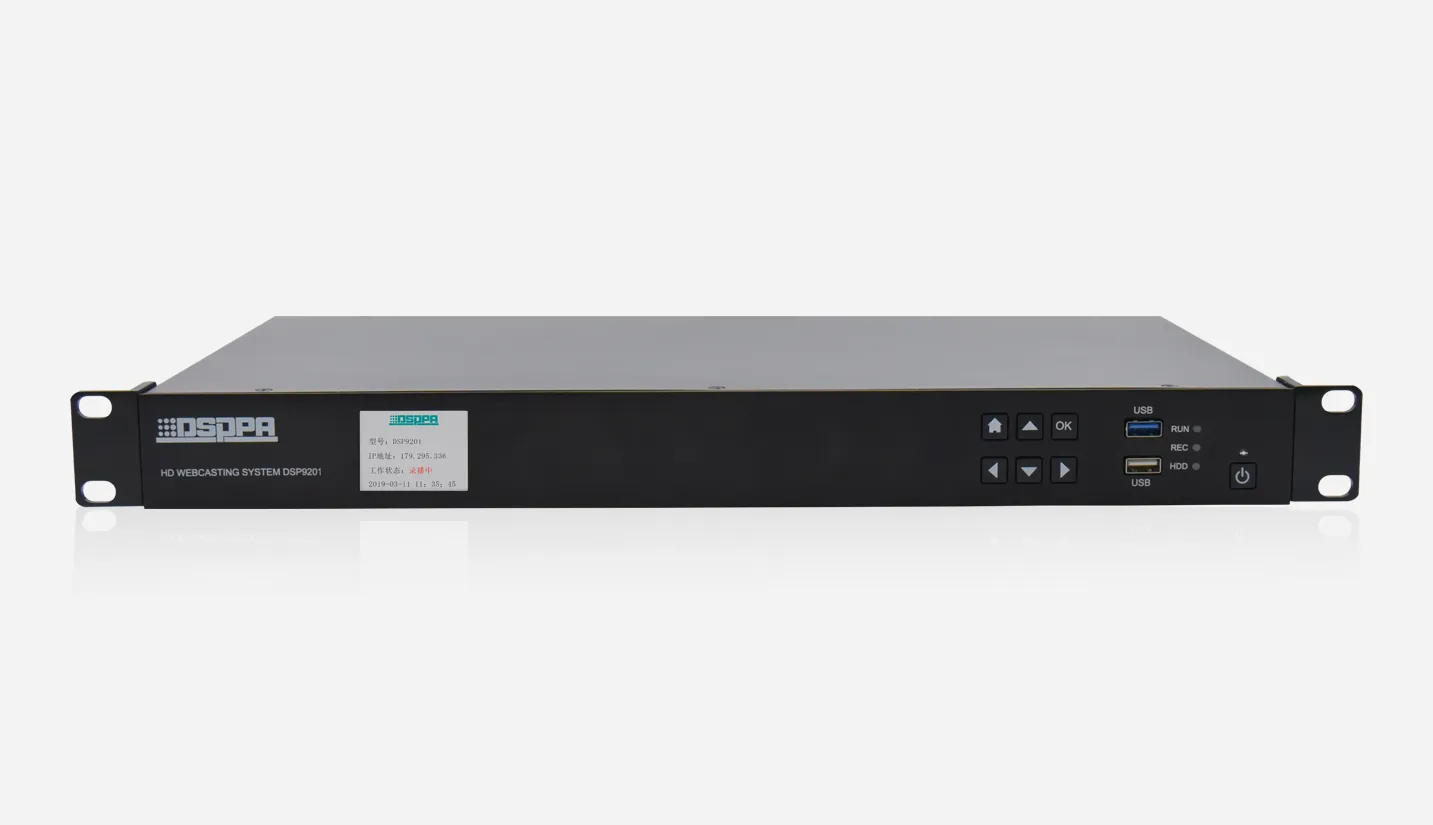
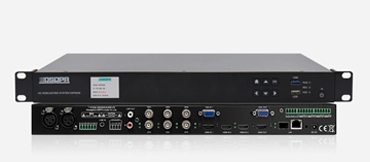
The main unit shall support ≥2 sets of SDI HD inputs, ≥3 HDMI inputs, ≥1 VGA input, ≥1 HDMI output, ≥1 VGA output, and ≥2 USB interfaces (**none of the aforementioned interfaces shall be realized via adapters**). For resolutions: HDMI input/output shall support 3840×2160@30Hz with backward compatibility; SDI/VGA inputs shall support 1920×1080 with backward compatibility; VGA output shall support 1920×1080 with backward compatibility.
The system automatically triggers PPT signal switching without requiring any auxiliary software or plugins.
It enables playback of local hard disk videos, USB video files, and remote RTSP video streams for recording. Featuring 12 customizable split-screen layouts, users can freely configure their preferred split-screen configurations.
Equipped with a built-in digital audio processing module, it performs intelligent audio processing without external processors, supporting echo suppression, noise cancellation, and automatic gain adjustment. The system requires ≥2 MIC inputs (with 48V phantom power), ≥1 line input, and ≥1 line output.
Three LED indicators monitor server status: a constant-on power indicator, a flashing hard drive indicator during read/write operations, and a running program indicator.
The recording system emphasizes simplicity, user-friendliness, and high integration.
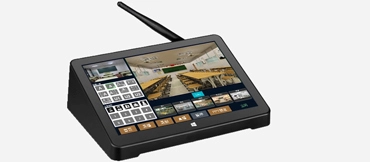
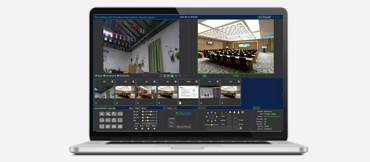
The system supports one-click live streaming, with manual and automated modes that can be freely switched. The manual mode offers video preview, live output pre-monitoring, video switching, audio adjustments, and recording mode switching. It also enables PTZ manual pan-tilt-zoom control, with multiple preset positions available for camera videos.
Two recording modes are supported: Movie Mode and Movie Plus Resource Mode, compatible with six formats including MP4, AVI, FLV, MKV, MOV, and TS, using H265MP and H264HP encoding.
Additional interfaces include: ≥2 RS232 control ports, ≥2 RS485 control ports, ≥1 level control input/output interface, dual network backup via 1 Gigabit Ethernet port and 1 optical port, and 2 USB ports.
Cloud platform integration enables live stream sharing and multi-user viewing. Remote single-machine streaming and on-demand playback support up to 100 users without requiring servers or cloud platforms.
The system supports RTSP/RTMP streaming for third-party platforms.
In conference scenarios, it features automatic file restoration during power or network outages.
Practical functions include OSD information display, angle markers, and real-time editing of opening/closing sequences.
For daily recording needs, the system provides ≥2TB storage with a maximum of 8TB available.
FTP/NFS connectivity enables automatic file transfer to third-party cloud storage servers.
To ensure stability of recording equipment, the recording host must adopt an embedded architecture design. It does not accept server or PC architectures and avoids using encoding boxes. The host integrates local and remote directing functions, recording, live broadcasting, on-demand viewing, video resource management, user management, as well as digital audio and amplifier capabilities into a unified system. Featuring Web-based remote management with real-time monitoring capabilities, the recording host's exterior design should meet aesthetic, practical, and installation convenience requirements. The equipment is required to be ≤1U in height. The front panel contains a 2-inch LCD display that shows device model, meeting room name, IP address, operational status, temperature, date/time, and disk space. Users can configure network settings and system time. Powered by 12V DC.




This site is protected by DSPPA audiovisual and also applied to web browsers' Privacy Policy and Terms of Use.














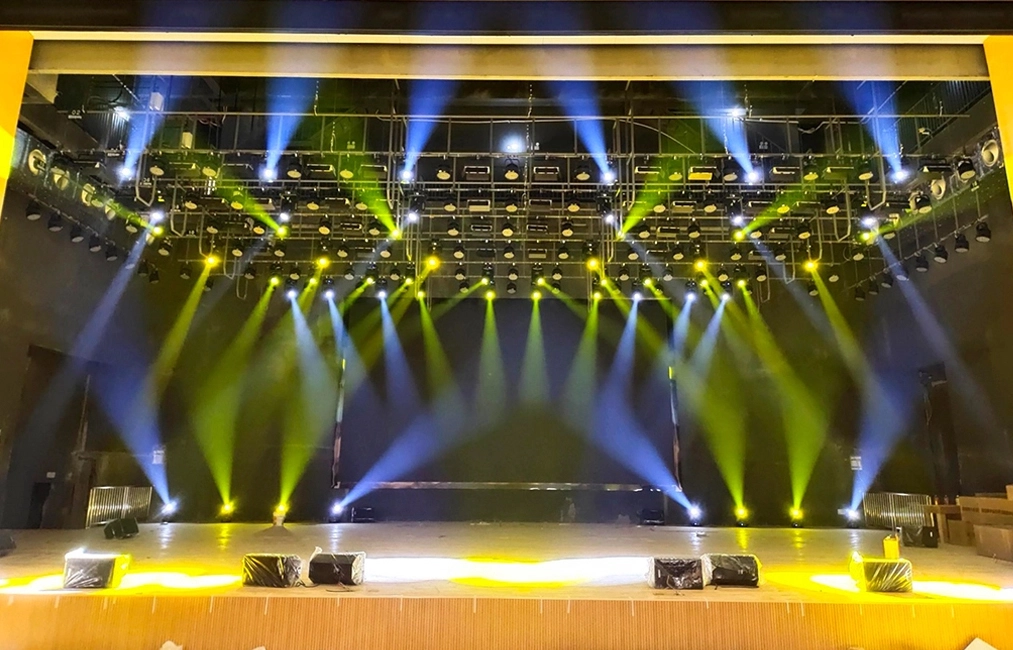
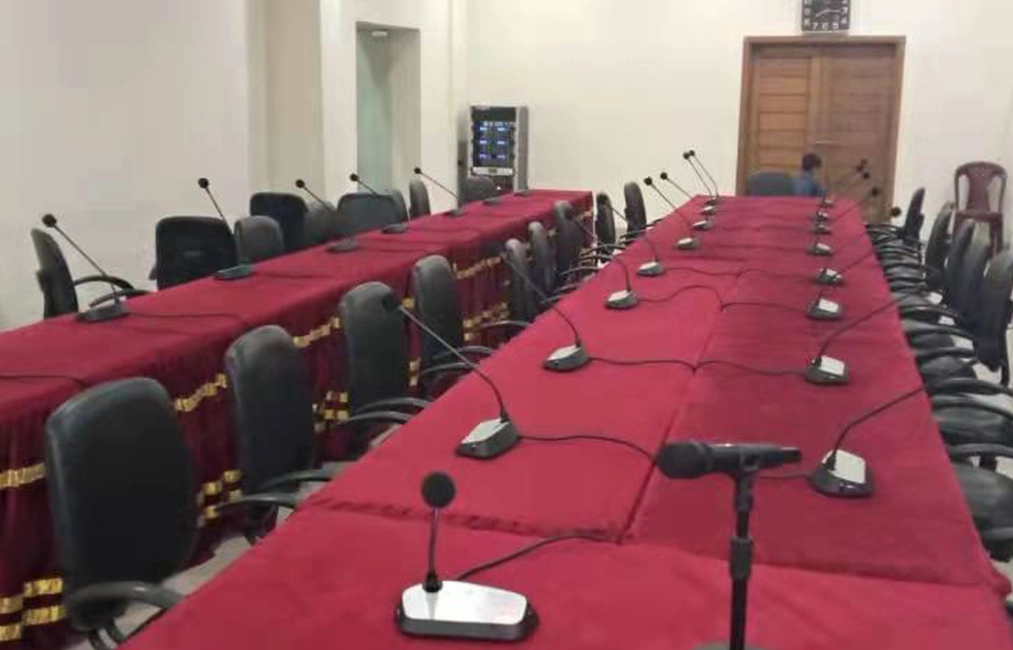
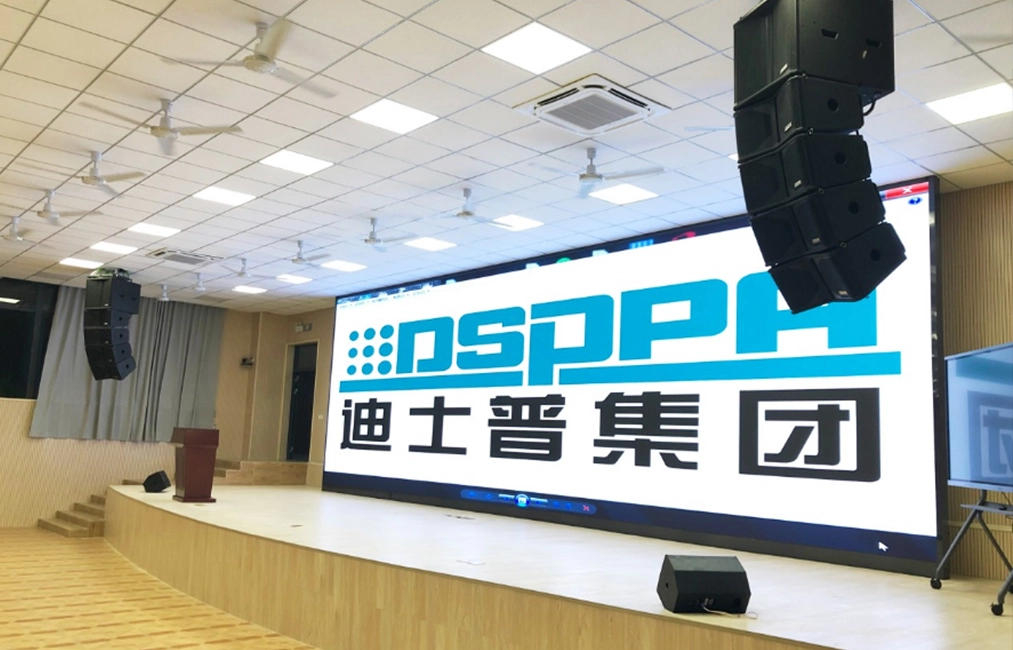
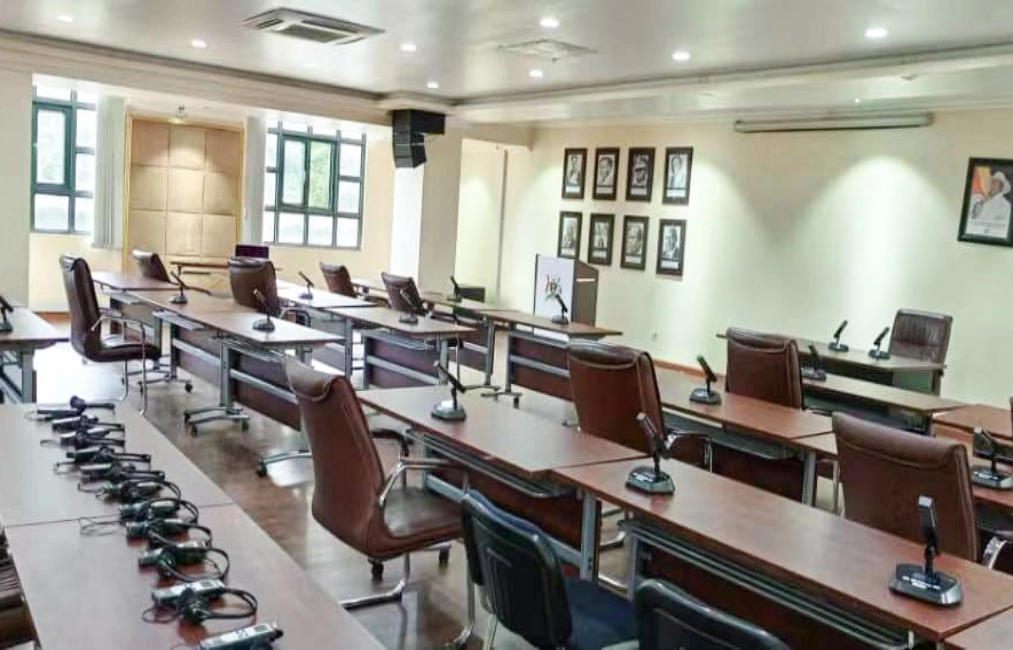







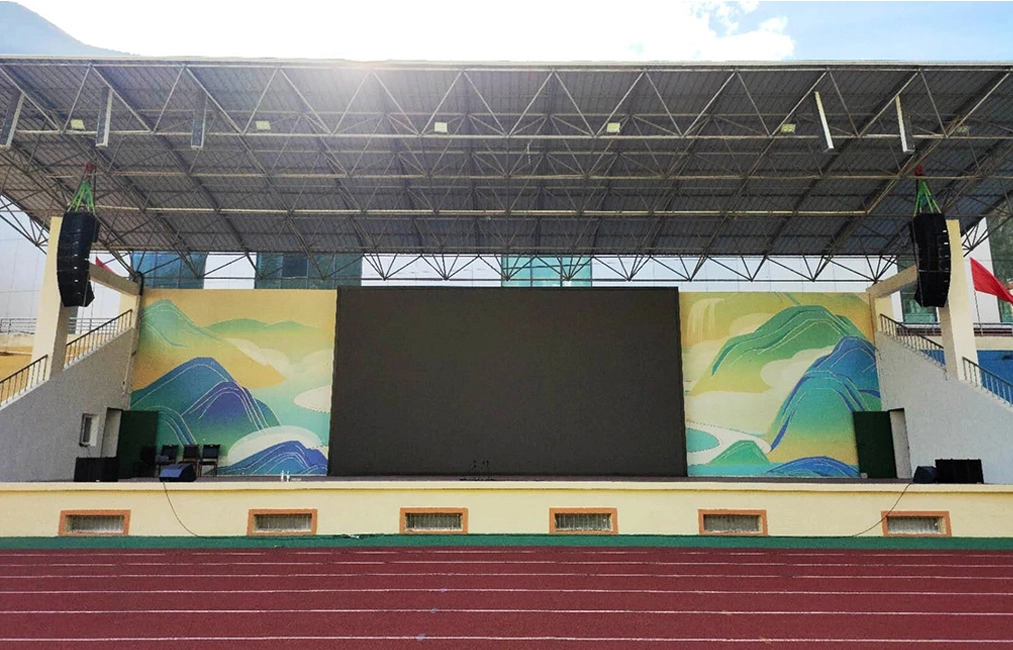
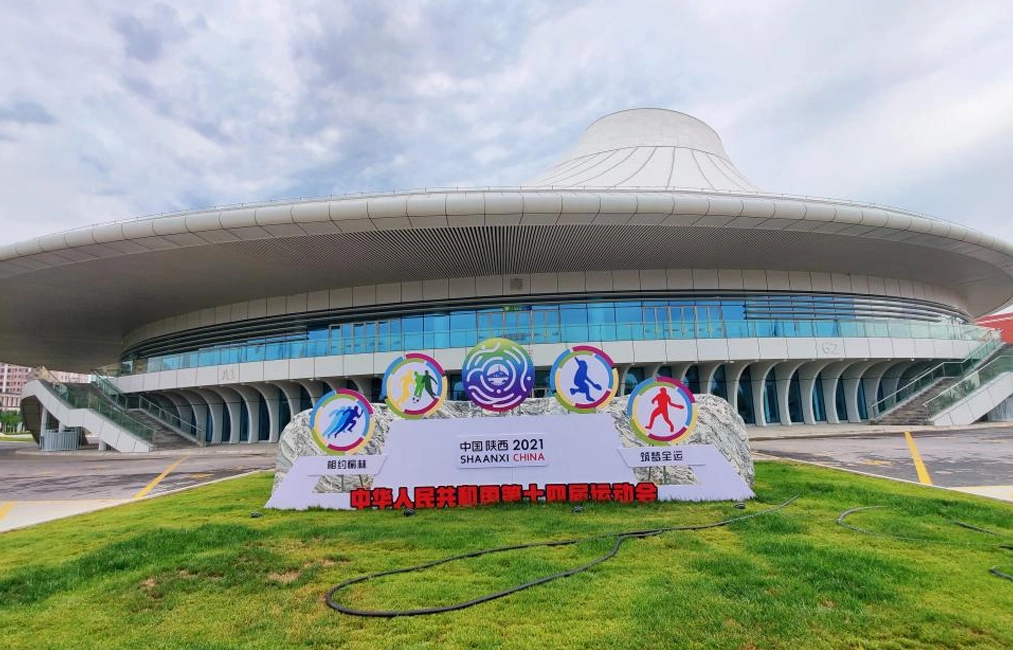
.webp "Pro Sound System for Liuba Public Sports Center, Shaanxi, China")
 Email Us